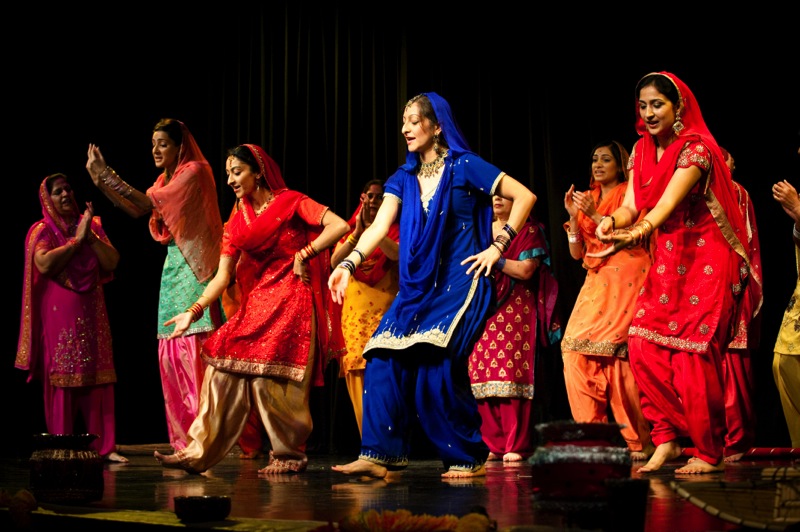

Giddha – A Celebration of Women, Community & Tradition
As part of our Shaadi Parampara – Wedding Traditions project, our Giddha classes honour one of Punjab’s most joyful and expressive cultural art forms. Traditionally performed by women during weddings and festive gatherings, Giddha weaves together storytelling, rhythm, humour, and community spirit. Each beat, clap, and boliyan (folk verse) carries the voices and experiences of generations of women.
In our Giddha sessions, participants are invited to step into this living tradition — learning the graceful movements, energetic claps, and expressive gestures that make Giddha so unique. Whether you’re completely new or have danced before, every class offers a chance to celebrate confidence, creativity, and connection.
1st Giddha Session – Stepping Into Tradition
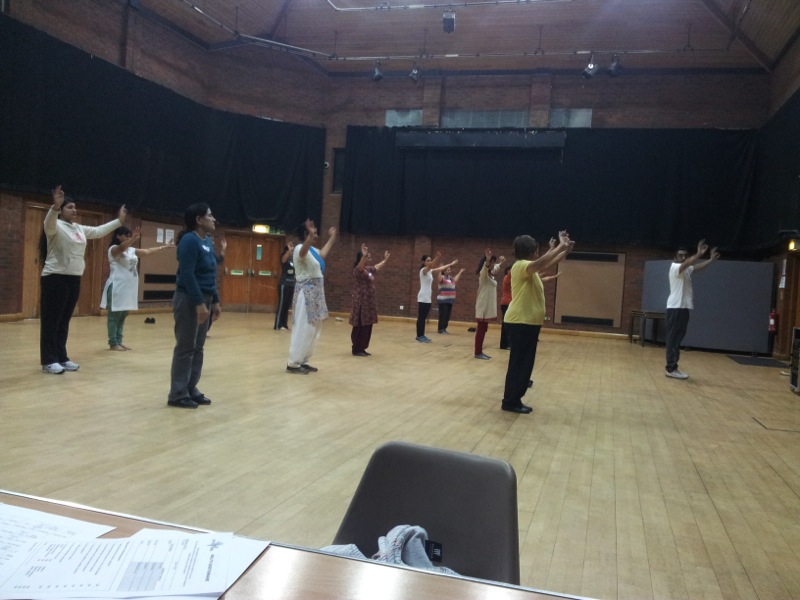
Our first Giddha session brought together a joyful mix of participants, some trying Giddha for the very first time, others reconnecting with familiar steps from their childhood.
The session introduced everyone to the basics: traditional clapping patterns, graceful arm movements, and the lively group formations that make Giddha so special.
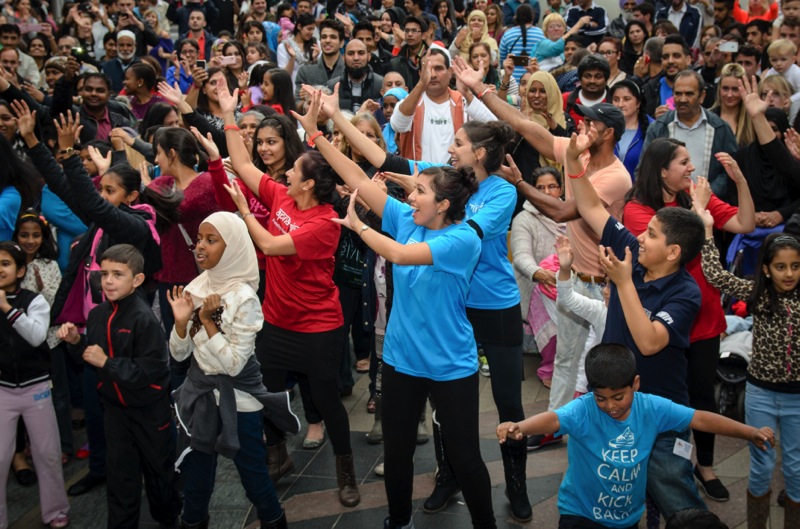
The room was filled with smiles and shared energy as participants danced, and supported one another — just as women have done for generations during Punjabi wedding celebrations.
2nd Giddha Session – Growing Confidence & Community
The second session was even more energetic and heartwarming. With growing confidence, everyone danced beautifully — moving together with rhythm, expression, and a true sense of enjoyment.
The room was filled with laughter, happy faces, and the uplifting spirit that makes Giddha such a beloved part of Punjabi celebrations. The class felt like a circle of women celebrating together, just as they do during weddings.
These Giddha sessions are more than dance classes. They are a way to keep our cultural traditions alive, to pass them on to new generations, and to create spaces where women can express themselves freely and joyfully.
By dancing together, we honour the stories, strength, and spirit of Punjabi women who have carried these traditions through time. Each session becomes part of a living heritage — one that continues to grow through community participation, creativity, and connection.